Latest Articles
Recent science explainers, reference articles and guides from Science University.
-
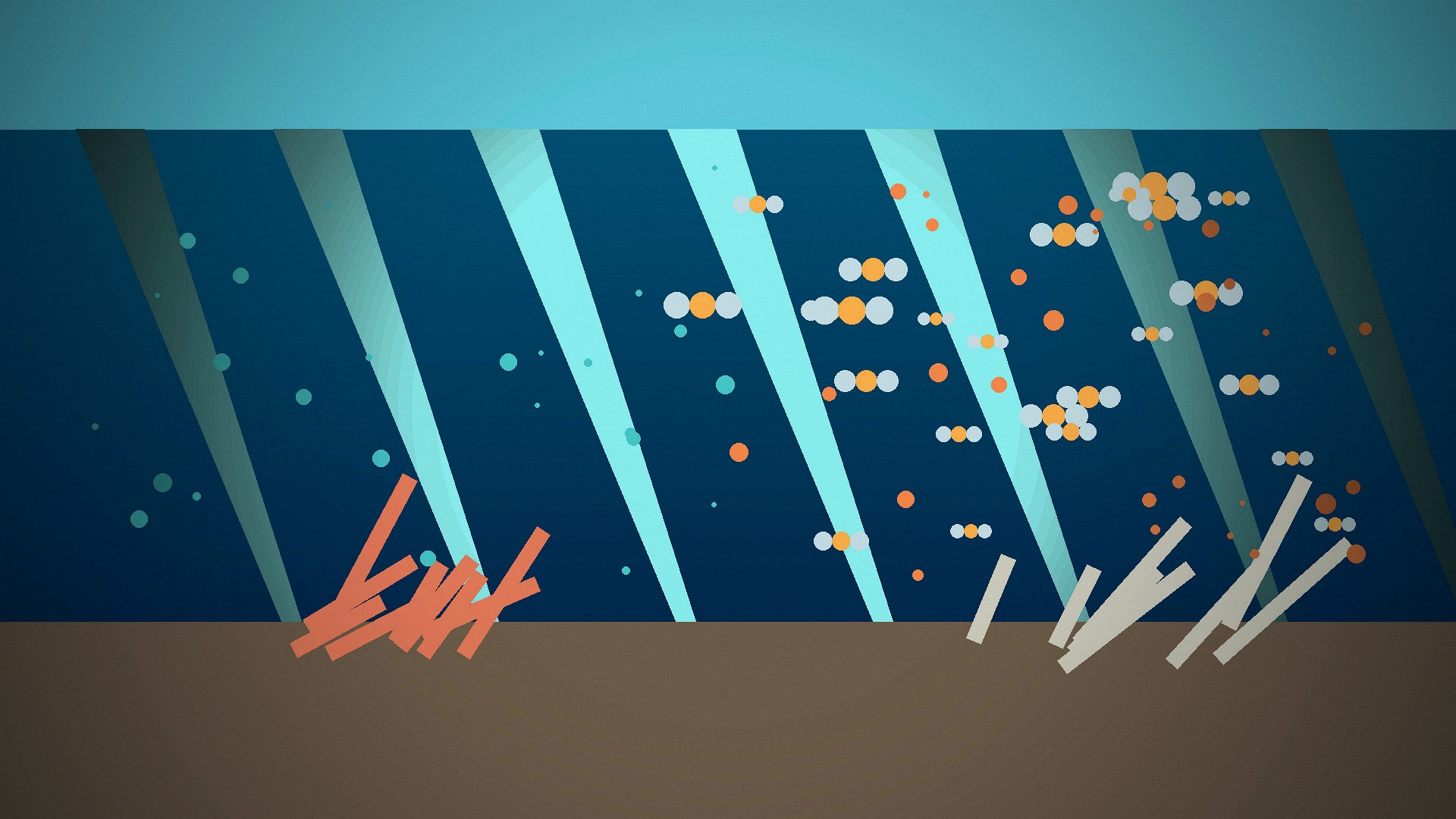
Ocean Acidification: Chemistry, Causes and Effects
Ocean acidification occurs as seawater absorbs additional atmospheric carbon dioxide. Learn how carbonate chemistry changes, why pH falls and how marine organisms and reefs can be affected.
-
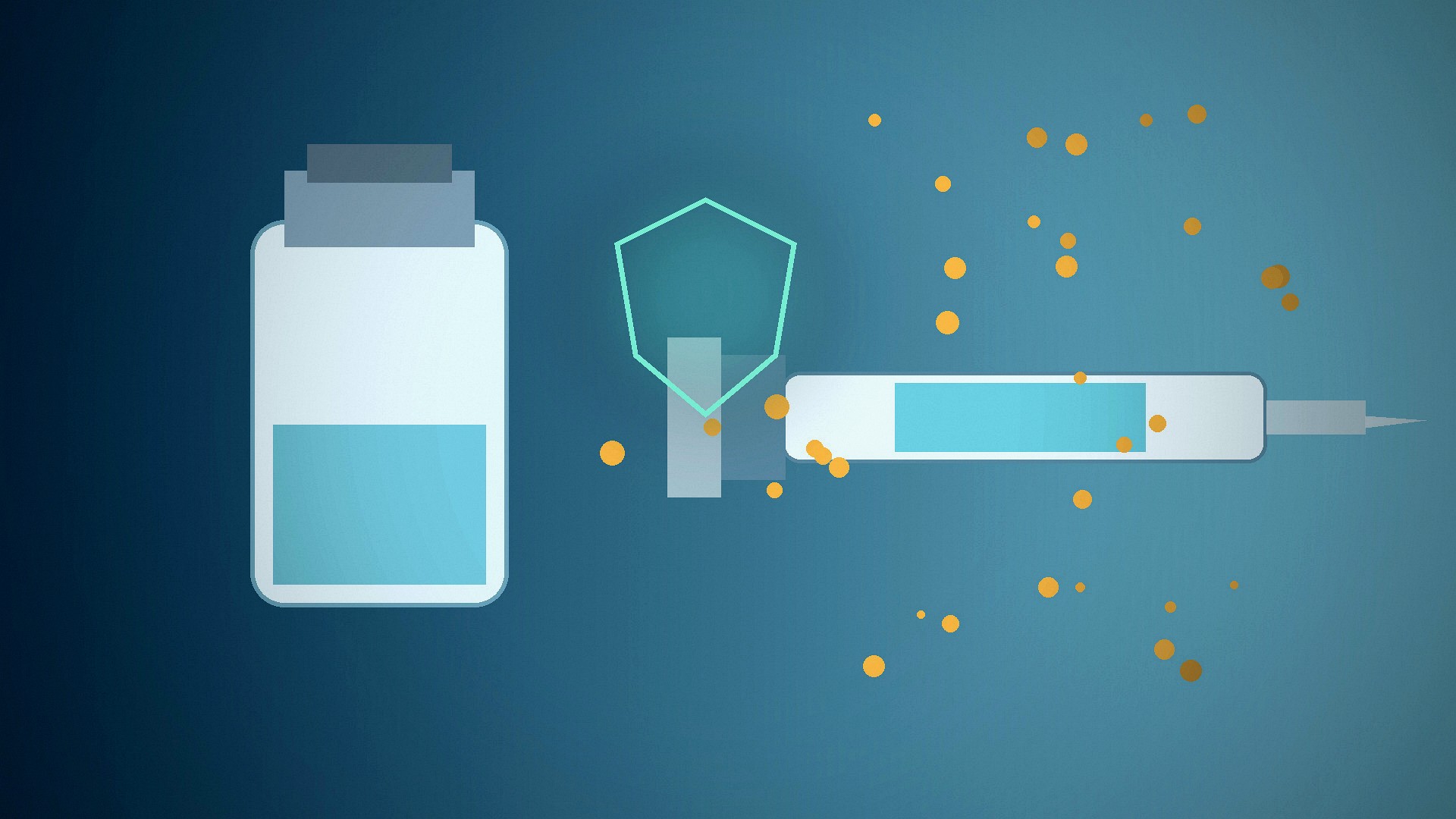
How Vaccines Train the Immune System
Vaccines expose the immune system to a safe form or blueprint of a pathogen antigen so that B cells, T cells and immune memory can respond faster during later exposure.
-
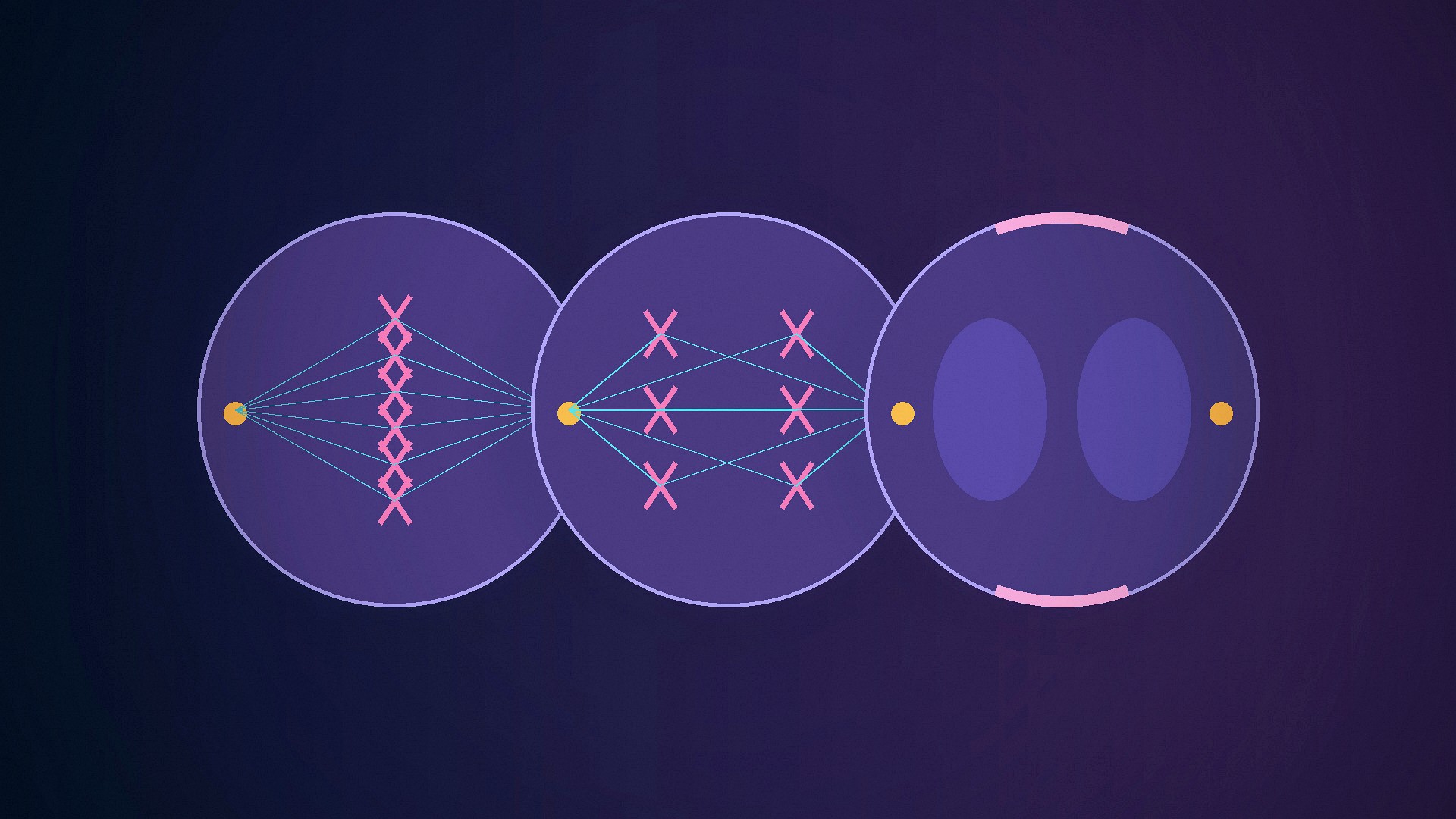
Mitosis and the Cell Cycle: Stages, Checkpoints and Control
Mitosis separates duplicated chromosomes, but it is only one part of the cell cycle. Learn how G1, S, G2 and M phase are controlled by cyclins, CDKs and checkpoints.
-
Bacteria, Archaea and Viruses: How They Differ
Bacteria and archaea are cellular organisms from different domains of life; viruses are acellular genetic parasites that reproduce only through host cells. Learn the key differences.
-
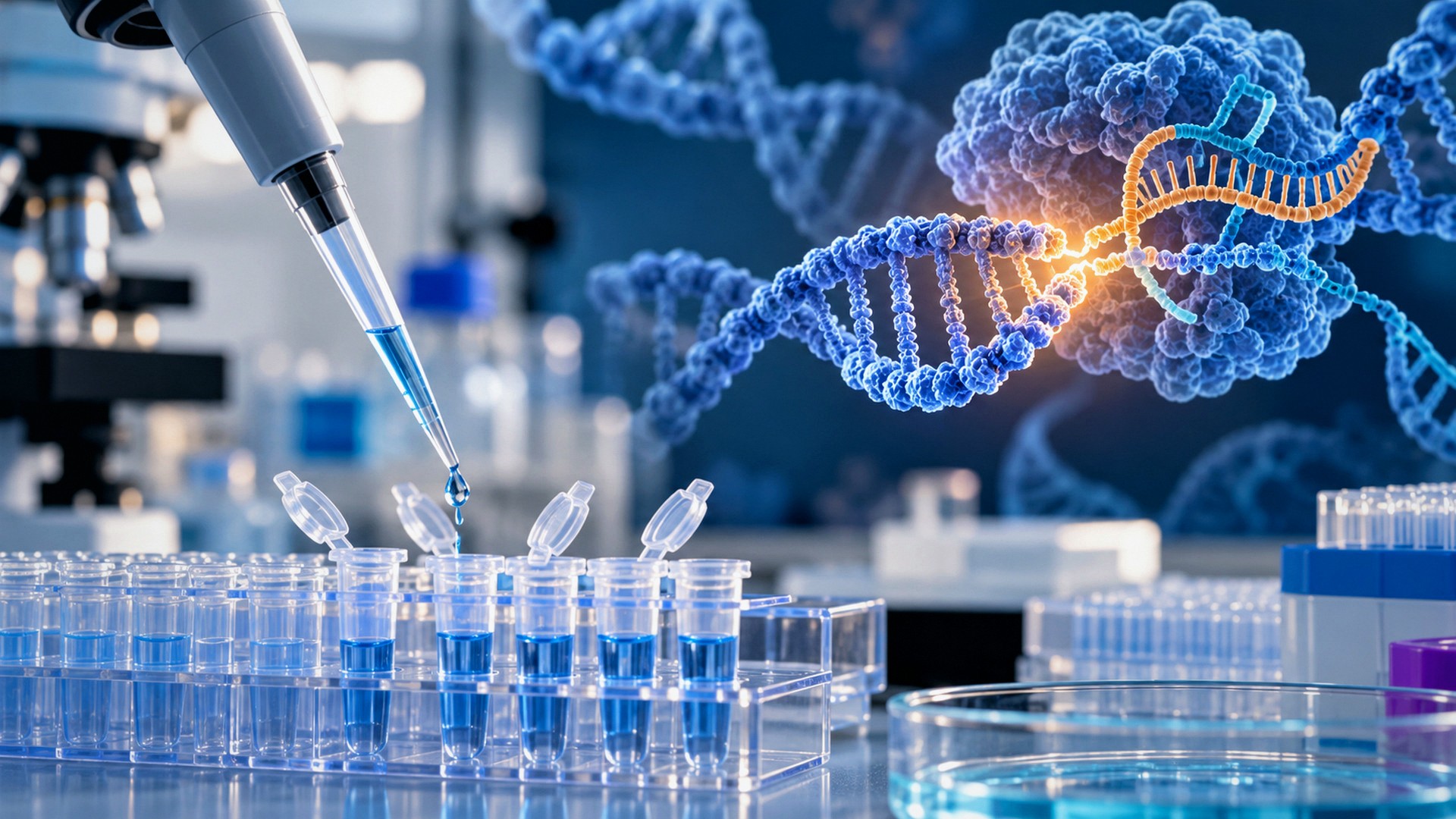
CRISPR Genome Editing: How It Works, Uses and Limits
CRISPR systems can target chosen DNA sequences with programmable RNA guides. Learn how Cas enzymes cut DNA, how cells repair the break, and where accuracy, delivery and ethics set limits.
-
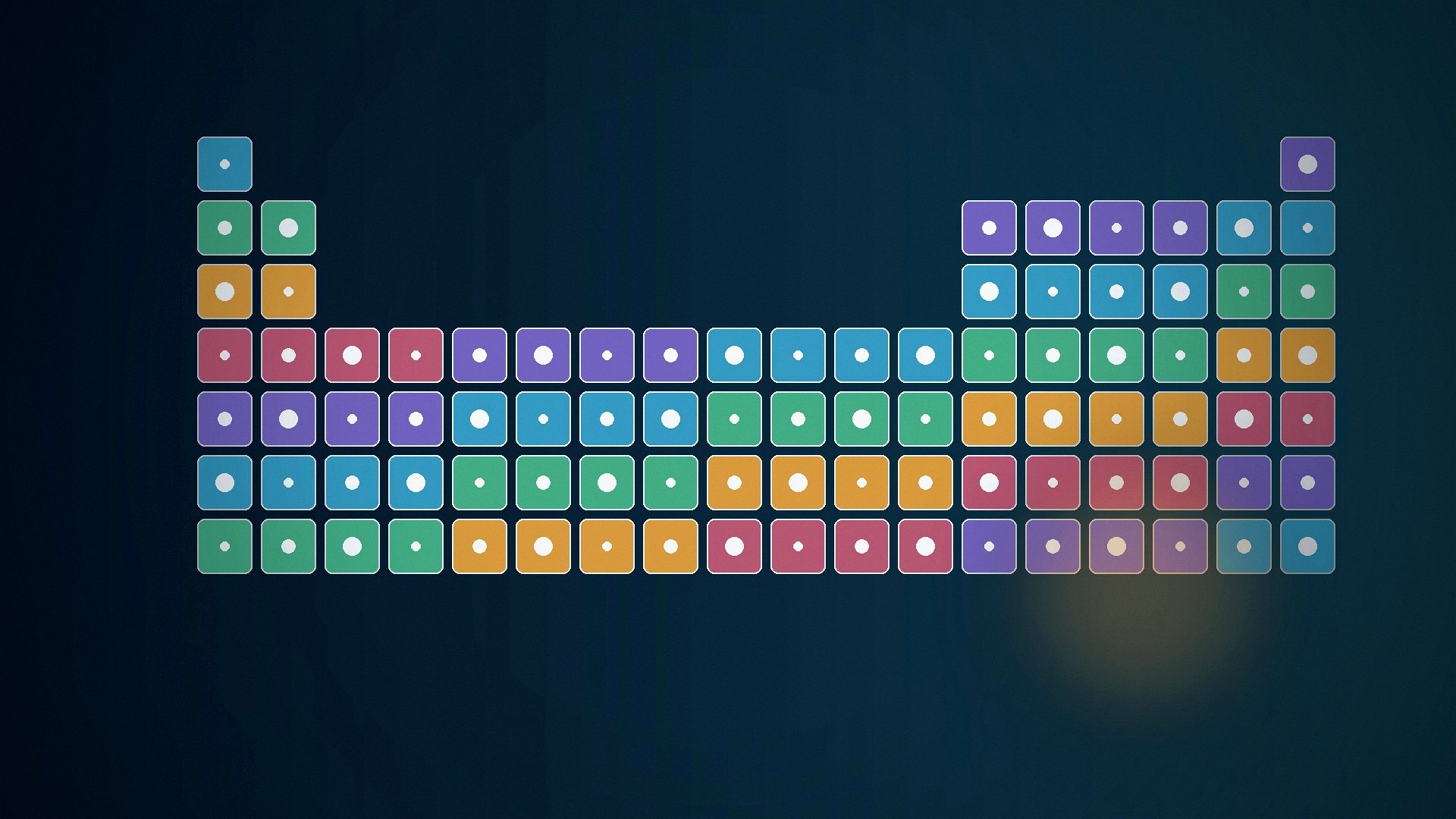
The Periodic Table: Elements, Groups and Periodic Trends
The periodic table organizes elements by atomic number and recurring electron structure. Learn how groups, periods, valence electrons and periodic trends help predict chemical behavior.
-
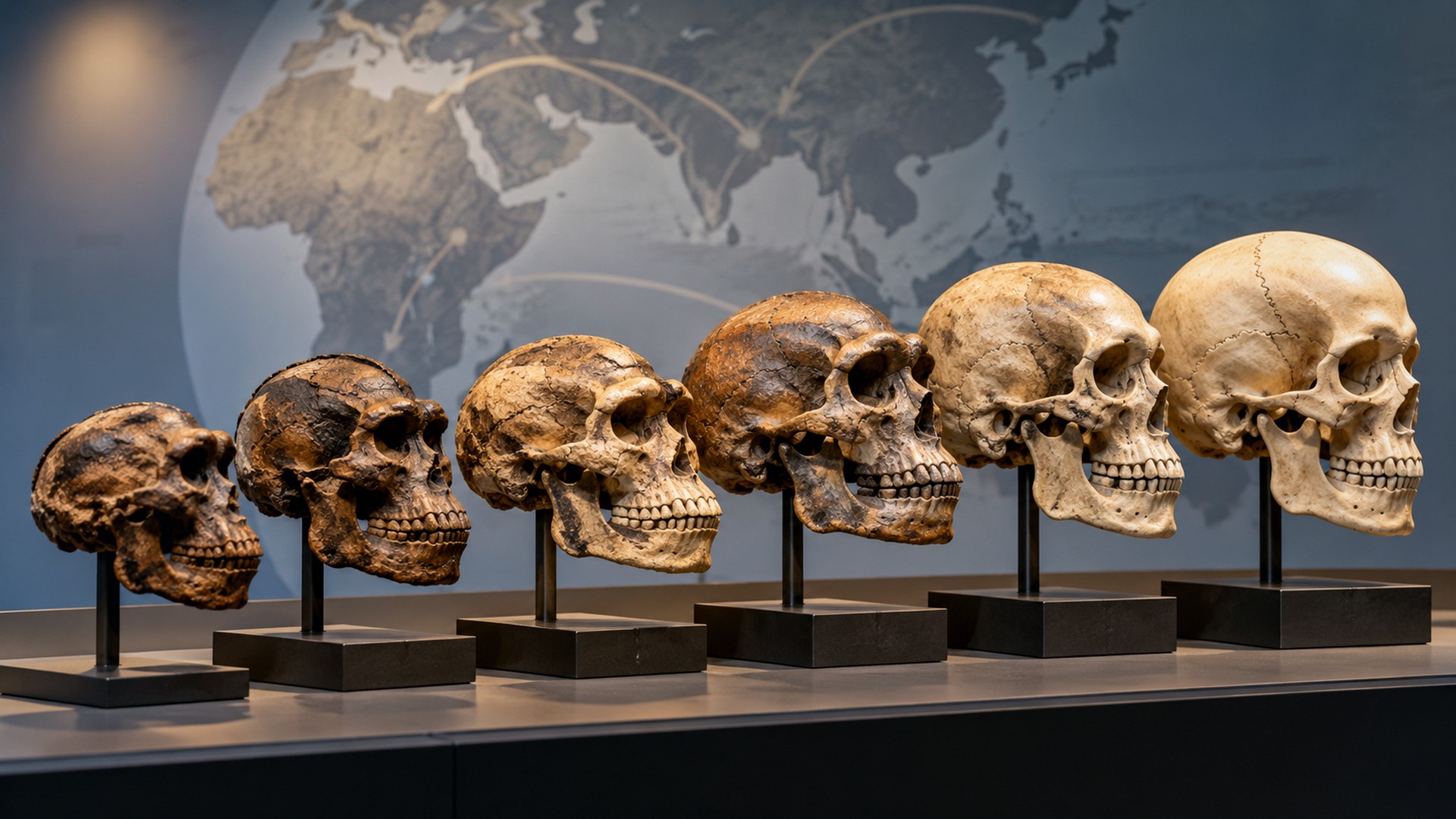
Human Evolution: From Early Hominins to Homo sapiens
Human evolution is a branching history documented by fossils, archaeology and genetics. Learn how bipedalism, technology, dispersal and interbreeding shaped our lineage.
-
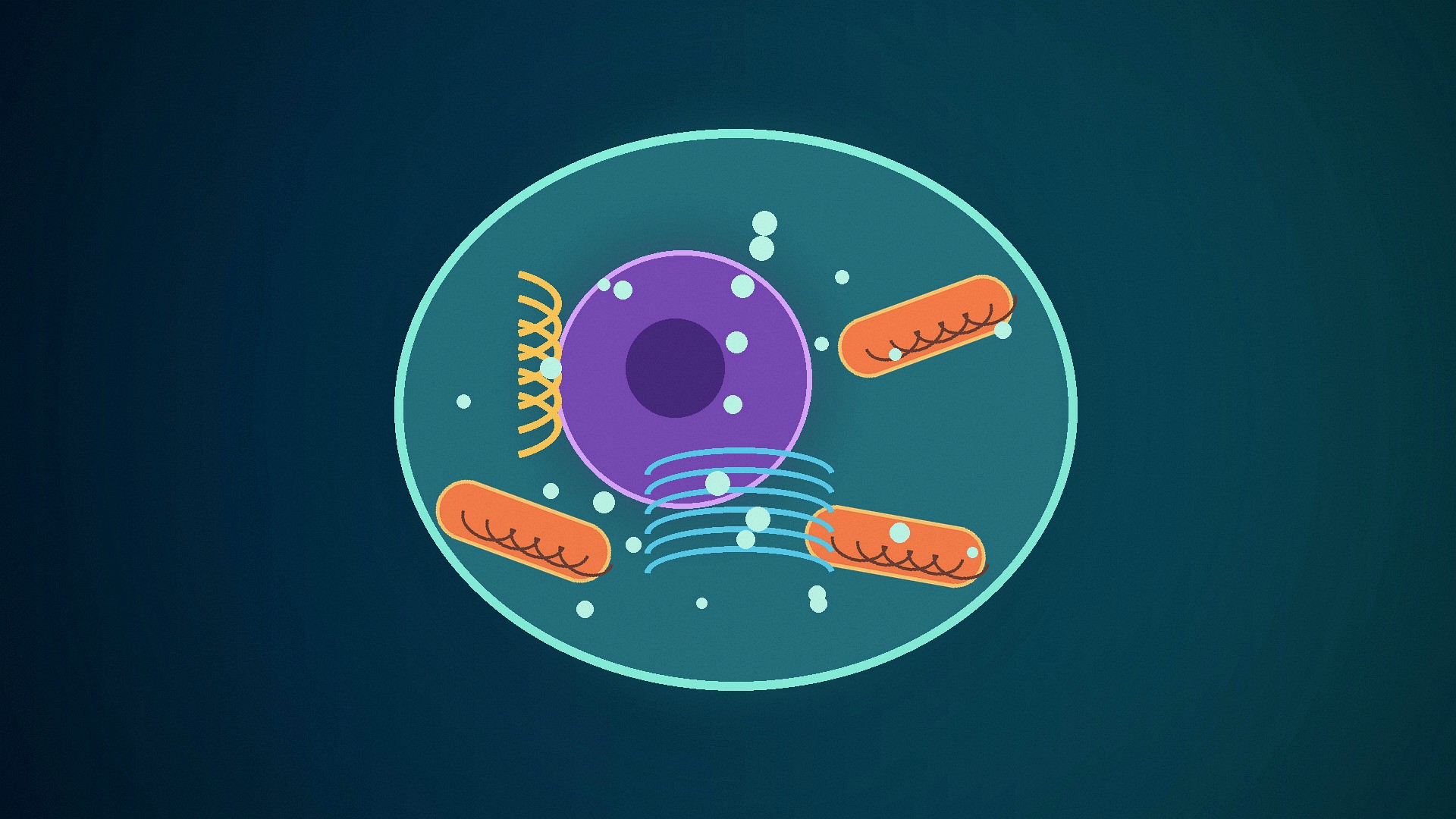
The Structure of a Cell: Organelles and Their Functions
Cells organize chemistry into membranes, compartments and molecular machines. Learn what the plasma membrane, nucleus, ribosomes, ER, Golgi, mitochondria and cytoskeleton do.
-
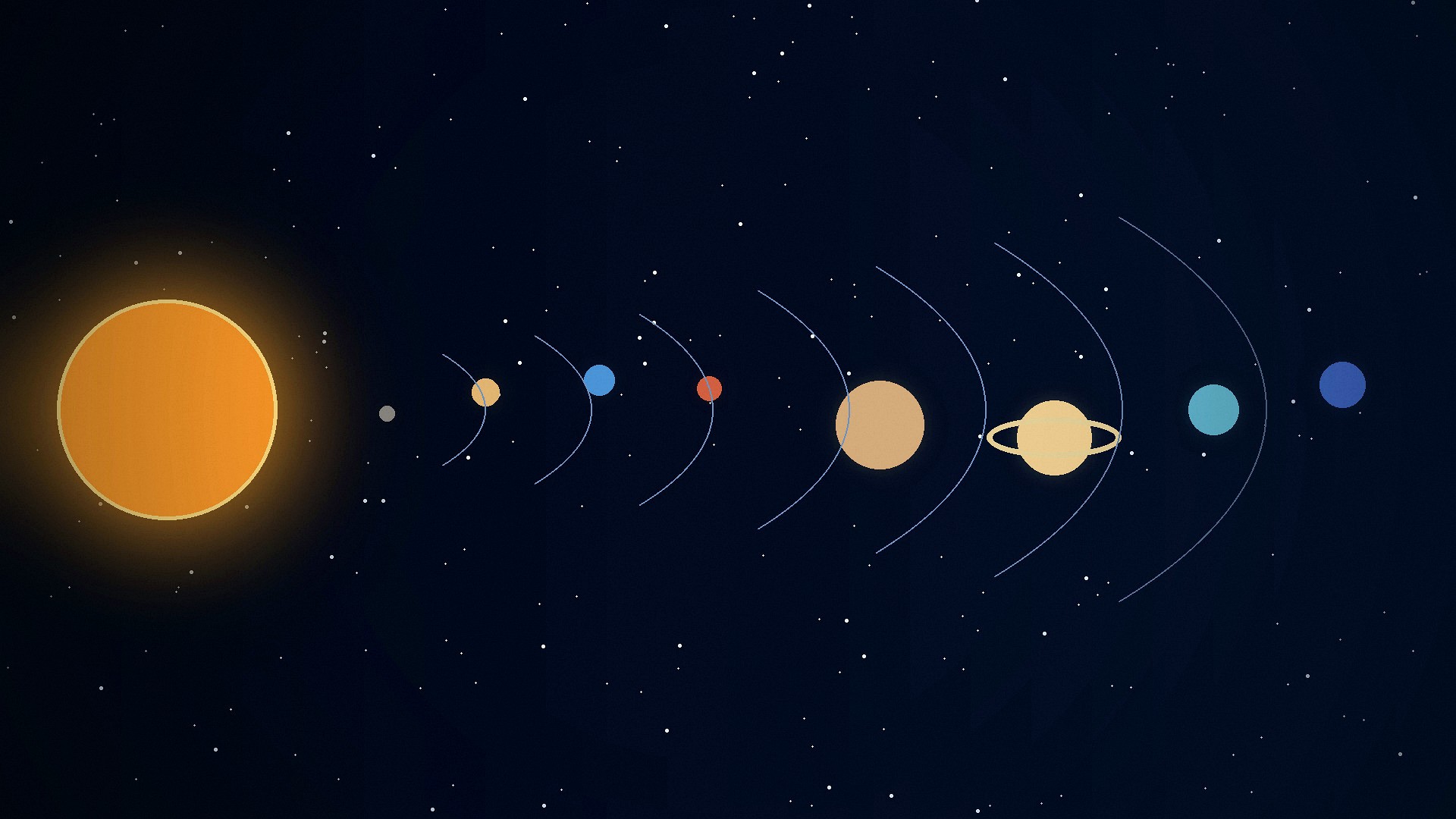
The Solar System: Planets, Moons and Small Bodies
The solar system contains one star, eight planets, dwarf planets, hundreds of moons and vast populations of asteroids and comets. Here is how the system formed and is organized.
-
Coral Reefs: Biology, Bleaching and Major Threats
Coral reefs are built by living organisms and support exceptional biodiversity. Learn how bleaching, marine heatwaves, ocean acidification and local pressures affect reef survival and recovery.
-
How the Human Brain Works: Structure, Networks and Function
The human brain coordinates sensation, movement, memory, emotion and homeostasis through interconnected neural networks. Learn how neurons, glia and major brain regions work together.
-

Climate Change: Causes, Evidence and Effects
Human greenhouse-gas emissions are warming the climate system. This guide explains the physical cause, the evidence used for attribution, observed changes and the choices that shape future risk.